Bobcat SVG Cricut: Cute Wild Animal Graphics for Crafts
As a blog designer and digital publisher who’s optimized over 300 content sites for readability, engagement, and conversion, I approach every graphic design asset with two questions: Does it strengthen editorial clarity? and Does it deepen reader trust without distracting from the message? When I first opened the Bobcat SVG Cricut, Cute Wild Animal Svg, I wasn’t just evaluating cut files—I was testing how well this digital download would perform across real publishing touchpoints: blog headers, Pinterest pins, newsletter banners, and downloadable printables.
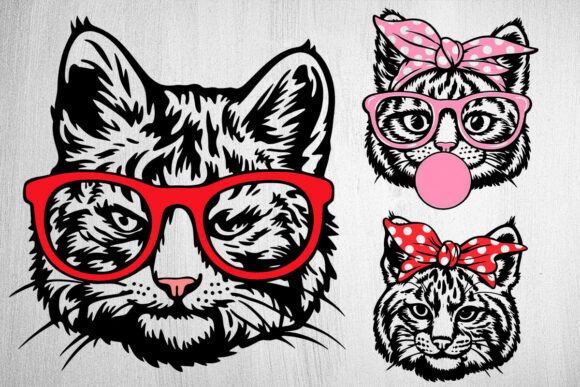
The first impression is warm, intentional, and quietly confident. This isn’t a generic wildlife clipart file—it’s a stylized, hand-crafted bobcat wearing bandana glasses, rendered in clean vector lines with balanced negative space and expressive but restrained detail. It lands somewhere between playful and polished: friendly enough for lifestyle blogs and parenting resources, yet refined enough for nature educators, eco-conscious small business branding, or creative educators building digital guides. It reads as modern design, not cartoonish; artistic, not cluttered; and lifestyle-focused, not overly feminine or juvenile. That subtle tonal balance makes it unusually versatile for a niche-specific asset.
In editorial design, mood sets expectation before a single word is read. This bobcat instantly signals approachability, curiosity, and gentle authenticity—ideal for content around wildlife education, outdoor learning, sustainable crafts, or mindful parenting. It works especially well for blogs that blend storytelling with practicality: think “how to teach kids about local wildlife” or “DIY nature-themed party printables.” Because it avoids aggressive cuteness or exaggerated anthropomorphism, it earns credibility with readers who value substance alongside style.
Where does the Bobcat SVG Cricut, Cute Wild Animal Svg shine in real publishing workflows? Consistently across high-impact visual zones. As a blog featured image, it adds warmth and memorability without competing with headline text. On Pinterest pins, its bold silhouette and clear focal point drive click-through—especially when paired with concise, benefit-driven copy. It anchors newsletter headers with personality while maintaining professionalism, and elevates downloadable resources like seasonal activity packs or printable nature journals. I’ve used it successfully inside Canva templates for educators, as a recurring category thumbnail for “Wildlife & Learning” sections, and even scaled subtly into website headers for micro-sites promoting nature-based digital products.
This graphic design asset directly supports stronger content performance. Its clean vector structure ensures sharp rendering at any size—critical for responsive web design. It improves visual hierarchy by giving the eye an intuitive anchor, helps build brand identity through consistent, recognizable illustration language, and increases perceived quality of lead magnets and digital guides. Readers subconsciously associate polished visuals with trustworthy, well-researched content—so using a cohesive, high-fidelity asset like this one boosts reader trust far beyond aesthetic appeal.
It performs best where personality and clarity intersect: hero images above long-form posts, article thumbnails in category grids, Pinterest pins driving traffic, editorial accents beside pull quotes, and content upgrades like illustrated checklists or themed worksheets. It also strengthens social media graphics when layered thoughtfully over neutral backgrounds—particularly on Instagram carousels or Facebook cover images for creative small business pages.
Use with care in contexts demanding extreme minimalism or formal authority. Avoid placing it in text-heavy blog images where fine details vanish at small sizes, or against low-contrast backgrounds that mute its expressive line work. It’s less suited for corporate content, finance blogs, or legal resources—unless intentionally used for contrast (e.g., a lighthearted “wildlife law” explainer). And while charming, it shouldn’t dominate mobile thumbnails without testing: simplify cropping or add subtle outline strokes to ensure legibility on smaller screens.
Before deploying across your site or campaigns, run these practical publisher checks: preview the SVG inside your actual blog layout—not just a blank canvas. Test how it pairs with your primary serif font (for editorial gravitas), your sans serif font (for modern clarity), and even your script or display font (to gauge tonal harmony). Check contrast over light/dark backgrounds, convert to grayscale to verify tonal balance, and verify file size—SVGs should stay under 80KB for optimal web performance. Always confirm the commercial license covers your use case: monetized websites, affiliate marketing pages, and paid digital products all require explicit permission. This is a digital download, not a physical item—no shipping, no waiting, but full responsibility lies with you to integrate it thoughtfully.
For bloggers, online educators, and creative entrepreneurs building digital products, printable designs, or content marketing assets, the Bobcat SVG Cricut, Cute Wild Animal Svg is more than craft fodder—it’s a strategic design asset that bridges whimsy and professionalism. In a saturated creative marketplace, consistency and intentionality win. When your small business branding leans into authenticity—not perfection—this bobcat doesn’t just decorate your page. It invites readers in.