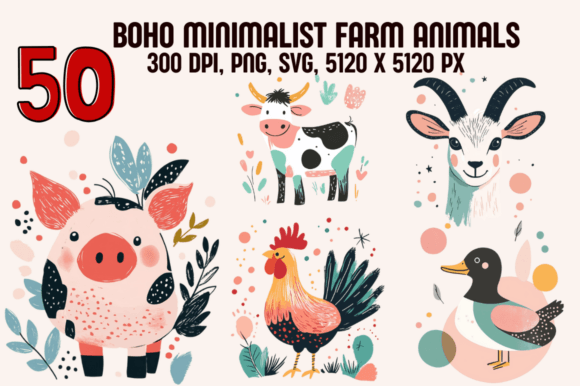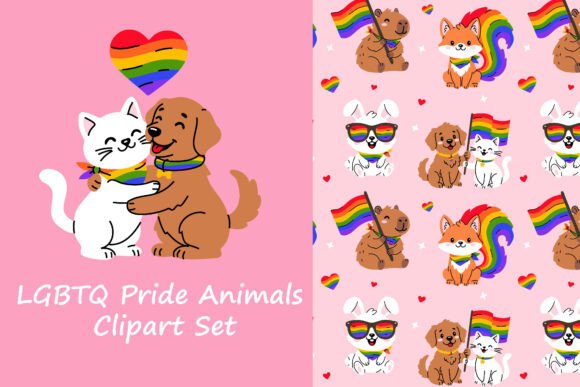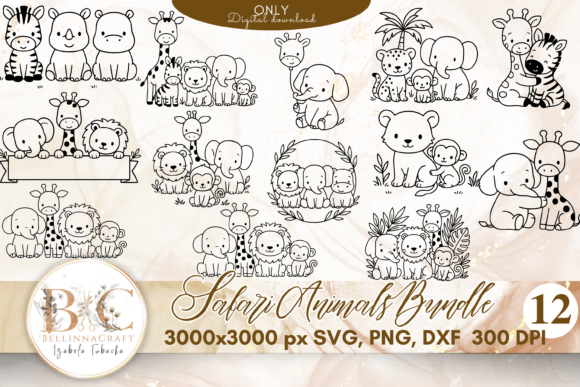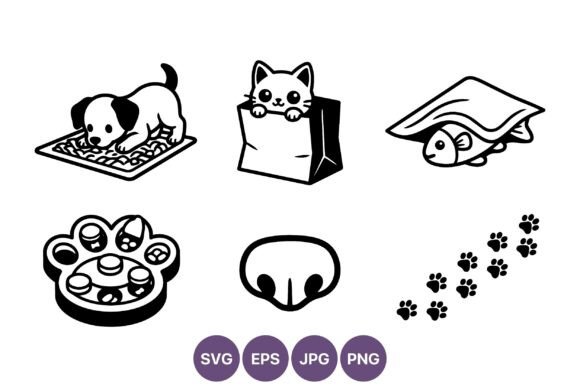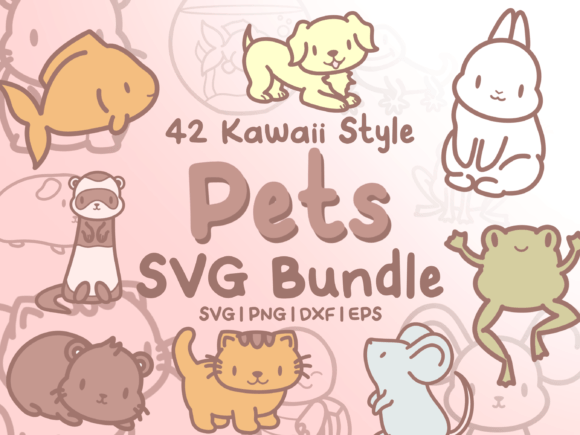
Pet Animals SVG Illustrations
As a designer who’s digitized and stitched over 300 embroidery projects for Etsy shops, boutique brands, and custom gift studios, I opened Pet Animals SVG Illustrations expecting charm—and got something more practical: a cohesive, commercially viable set of kawaii-style animal graphics that actually translate well to thread. Not all cute illustrations do. This one does.
First Stitch, First Impression
The moment I loaded the first file—a sleeping bunny labeled “Bunn”—I noticed how thoughtfully simplified the outlines were. No frantic zigzags, no micro-details that would vanish under satin stitch or blur on cotton twill. These aren’t clipart knockoffs; they’re intentional illustrations built with embroidery in mind. The rounded ears, soft paws, and expressive but minimal eyes hold up at 2.5–3 inches wide—the sweet spot for tote bag corners, baby onesie chest placements, and embroidered patches.
I tested it on a linen-cotton tea towel: light stabilizer, 40-weight rayon, medium density fill. The result? Clean, friendly, and unmistakably handmade—not digital-print flat. Customers don’t buy “cute animals.” They buy warmth, nostalgia, and quiet joy. Pet Animals SVG Illustrations delivers that without needing embellishment.
Where It Shines (and Where It Asks for Care)
This collection thrives in projects where personality matters more than precision: personalized baby blankets, small-batch aprons for pet-friendly bakeries, holiday gift tags stitched onto jute sacks, or embroidered patches sewn onto denim jackets for a local animal shelter fundraiser. I used the “turtle” design on a lightweight organic cotton sweatshirt—hooped with tear-away + light cutaway stabilizer—and the slow, gentle curves held beautifully through washing and wear.
But let’s be real: kawaii style doesn’t mean low-effort execution. On stretchy fabrics like ribbed knits or thin jersey tees, I recommend testing the “ferret” or “hamster” designs first—they have tighter curves near the paws and tail. A dense fill stitch can pucker if stabilizer isn’t layered correctly. And while the “cat” design reads clearly at 3.2”, it starts to lose definition below 1.8”. So for cap fronts or tiny pocket accents? Stick to the bolder silhouettes like the “dog” or “bunny” head-only versions—if those exist in your file set. (Always check your folder labels.)
Dark fabric is another consideration. These illustrations rely on shape and contour—not heavy shadow or outline contrast—so on charcoal or navy, use a bright thread (sunshine yellow, mint, or coral) to preserve legibility. Don’t assume black-on-black will read as “moody.” It’ll read as “missing.”
Real Project, Real Feedback
Last week, I prepped a set of embroidered kitchen towels for a small Portland-based shop specializing in pet-themed home goods. We chose three designs from Pet Animals SVG Illustrations: “turtle,” “hamster,” and “dog.” Each was resized to 2.75” wide, centered on the lower corner, and stitched with a subtle running-stitch border to frame it gently—not overwhelm it. The first customer photo came in two days later: a smiling woman holding her new towel, her golden retriever sitting beside her, tail thumping. That’s not just product photography. That’s emotional resonance—earned by choosing an illustration that feels kind, not cloying.
That same dog design also worked flawlessly as an applique on a child’s reversible backpack—clean edges, minimal underlay, zero fraying after five school-day washes. That kind of reliability separates usable embroidery assets from decorative distractions.
What This Means for Your Craft Business
If you sell on Etsy or run a local craft fair stall, Pet Animals SVG Illustrations gives you flexibility without sacrificing cohesion. You can offer matching sets (“Puppy & Kitten” twin pillow covers), seasonal spins (“Bunny + Egg” for Easter tea towels), or even monogrammed pet portraits—just layer the animal beside a custom initial. Because each image is clearly labeled, bundling for digital downloads is straightforward. And because the style is consistent—not a grab-bag of mismatched clipart—you build brand trust faster.
Customers notice when stitching looks confident, not cautious. When the “ferret”’s curled tail doesn’t disappear into fill stitch noise, or when the “turtle”’s shell pattern reads as texture, not mush—that signals skill. It tells buyers you didn’t just slap on a design. You curated, tested, and respected the craft.
Your Practical Designer Checklist
- Test on scrap fabric first—especially if using textured weaves like canvas or terry cloth.
- Review stitch density before scaling down; tight fills get muddy fast on small hoops.
- Confirm hoop size compatibility—some pets may need repositioning for 4×4” or smaller frames.
- Inspect small details (like paw pads or ear tufts) at actual stitch-out size—not just on screen.
- Try black-and-white mockups to assess contrast before committing to thread colors.
- Compare light vs. dark fabric backgrounds—what reads softly on ivory may vanish on charcoal.
- Use proper stabilizer—lightweight cutaway works best for knits; tear-away for stable wovens.
- Verify licensing before selling finished items or digital embroidery files—this is critical for commercial embroidery and Etsy sellers.
Bottom line? Pet Animals SVG Illustrations isn’t flashy—but it’s dependable. It’s not complex—but it’s considered. In a market flooded with overdesigned, overdigitized assets, this collection stands out by doing one thing exceptionally well: helping makers create products people want to hold, gift, and keep.
Whether you’re stitching a single custom onesie or building a full pet-themed product line, these illustrations earn their place in your design assets—not as filler, but as foundation.