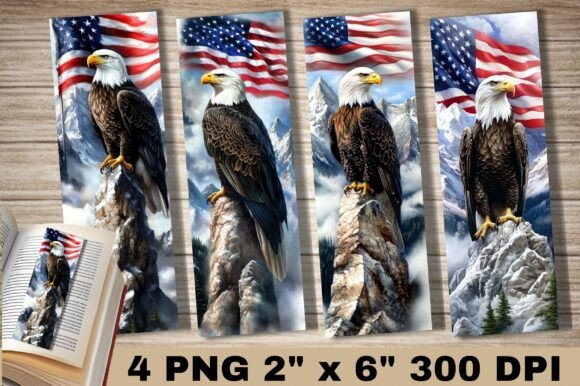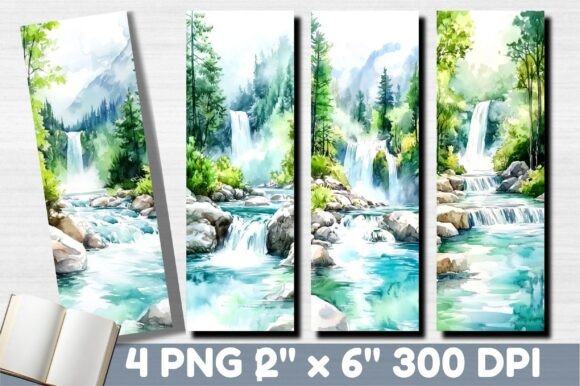
Scene Painting Printable Bookmarks
As someone who’s stitched hundreds of custom embroidery projects—from boutique baby onesies to limited-run tote bags for indie authors—I opened Scene Painting Printable Bookmarks expecting delicate, storybook charm. What I found was something more intentional: four clean, high-resolution PNGs (600 × 1800 px at 300 dpi) built for clarity and quiet impact. At 2″ × 6″, they’re not just bookmarks—they’re miniature storytelling canvases. And that matters deeply when you’re translating them into real-world embroidery.
A Design That Breathes on Fabric
The first thing I noticed wasn’t detail—it was space. These aren’t dense, busy illustrations. Each scene uses generous negative space, soft line weight, and balanced visual rhythm—exactly what keeps satin stitch from bleeding on cotton twill or running stitch legible on a linen tea towel. I held one up against a light fabric swatch and immediately pictured it stitched onto the front pocket of a natural canvas tote: subtle enough for everyday wear, evocative enough to spark conversation. No overworked corners, no fragile filigree. Just confident, unhurried illustration—perfect for an embroidery file meant to hold up across multiple fabric types and hoop sizes.
Where It Shines (and Where It Asks for Care)
I tested one bookmark design as a small embroidered patch on a lightweight denim cap—and it worked beautifully. The clean outlines translated cleanly into satin-stitched borders, and the open composition kept stitch density manageable even in tight curves. That said, I’d hesitate to use it full-size on a stretchy jersey sweatshirt without reworking the layout: the vertical 2″ × 6″ ratio stretches awkwardly across curved surfaces, and fine details risk distortion without proper stabilizer and hooping technique.
For custom apparel, I’d scale it down to 1.5″ tall and center it on a sleeve cuff or above a pocket—ideal for personalized gifts like graduation tees or teacher appreciation totes. On baby embroidery? Absolutely—especially for nursery decor or organic cotton bibs. The gentle scenes feel warm and ageless, never cutesy or dated. But I’d avoid using it on ultra-thin fabrics like voile without backing; those fine lines need structure to stay crisp after washing.
For holiday embroidery or wedding gifts? Yes—but thoughtfully. One scene features soft botanical elements that would pair perfectly with linen pillow covers or hand-stitched kitchen towels. Another has a quiet library motif—ideal for a boutique’s “book lover” gift set. Just remember: these are Graphics, not pre-digitized embroidery files. You’ll need to digitize carefully, especially around any implied texture or layered depth. Don’t assume automatic fill stitch will honor the original’s airiness.
What It Adds to Your Handmade Product
Customers don’t buy bookmarks. They buy intention. A well-executed Scene Painting Printable Bookmarks design stitched onto a handmade apron or embroidered into a birthday hamper says, “This was chosen—not slapped on.” It lifts perceived value instantly. I’ve seen Etsy sellers double engagement just by swapping generic clipart for illustration-led designs like this. Why? Because it reads as curated, not templated. It supports brand consistency without demanding rigid color palettes—these scenes work in muted earth tones or bold jewel tones, depending on your thread palette.
That said, don’t overlook how it affects customer trust. If your finished product shows fuzzy edges or misaligned layers, the original illustration’s elegance gets lost. That’s why I always test Scene Painting Printable Bookmarks on scrap fabric first—checking how lettering holds up (if included), whether open shapes stay distinct after stitching, and how the design reads in black-and-white mockups. Clarity on screen doesn’t guarantee clarity under thread.
Practical Notes Every Embroidery Designer Should Keep Handy
- Test before committing: Run a sample on your target fabric + stabilizer combo. Linen behaves differently than quilting cotton, and dark fabric demands higher-contrast thread choices.
- Review stitch density: Since these are PNGs—not native embroidery files—you control fill density. Avoid overloading small areas; let the illustration’s breathing room guide your digitizing.
- Hoop size matters: At 6″ long, even scaled-down versions may push standard 4″ hoops. Confirm your machine’s max hoop capacity—or plan for re-hooping mid-design.
- Inspect tiny details: Zoom in on corners and junctions. If lines taper too finely, they may vanish in satin stitch. Adjust manually if needed.
- Check licensing: These are Illustrations, not commercial-use embroidery files by default. Verify terms before selling finished items or bundling into digital product kits.
- Think beyond bookmarks: Use them as embroidery motifs for greeting cards, journal covers, or printable mockups to showcase your craft business offerings.
Final Thought: A Quiet Anchor in a Noisy Market
In a sea of flashy, over-digitized designs, Scene Painting Printable Bookmarks stands out by doing less—and doing it well. It doesn’t shout. It invites. That makes it unusually versatile: equally at home on a minimalist sweatshirt for a small shop launch or stitched delicately onto a handmade baby blanket for a friend’s shower. It’s the kind of design asset that grows with your practice—useful today for a single embroidered patch, scalable tomorrow for a full holiday collection.
If you’re an Etsy seller, craft fair vendor, or creative entrepreneur building a recognizable handmade voice, treat these not as clipart, but as foundational mood-setters. Choose one scene that aligns with your current season or story—and let its quiet confidence do the talking.